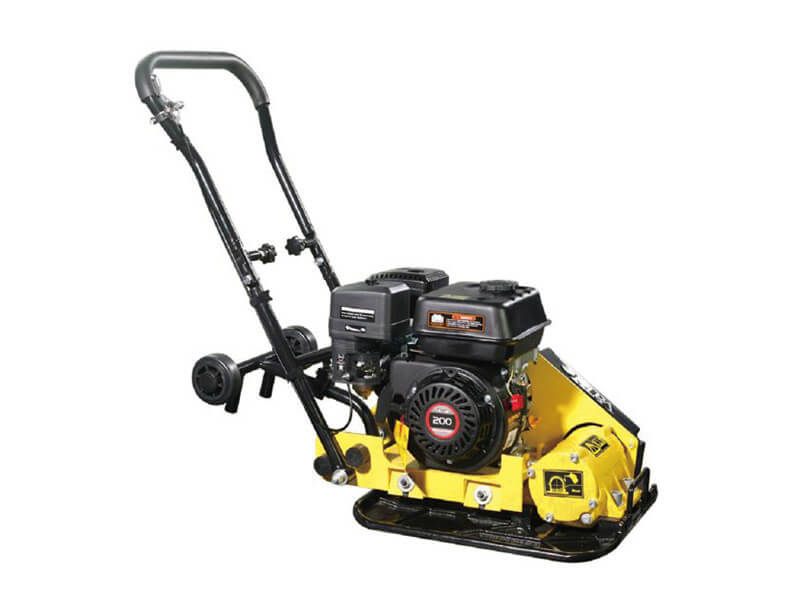
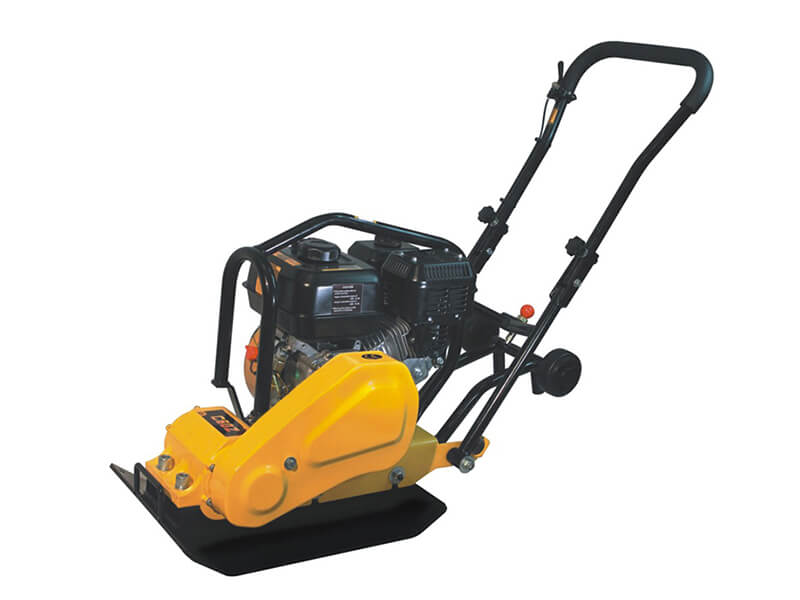
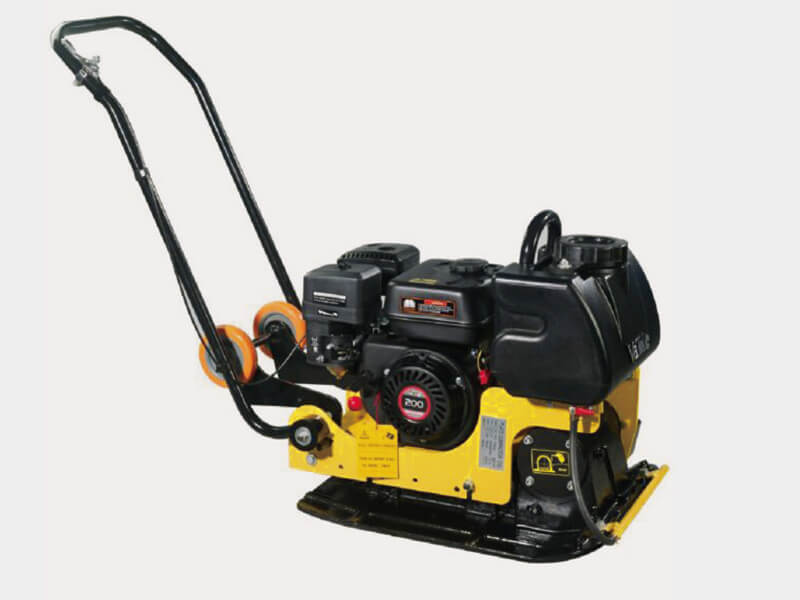
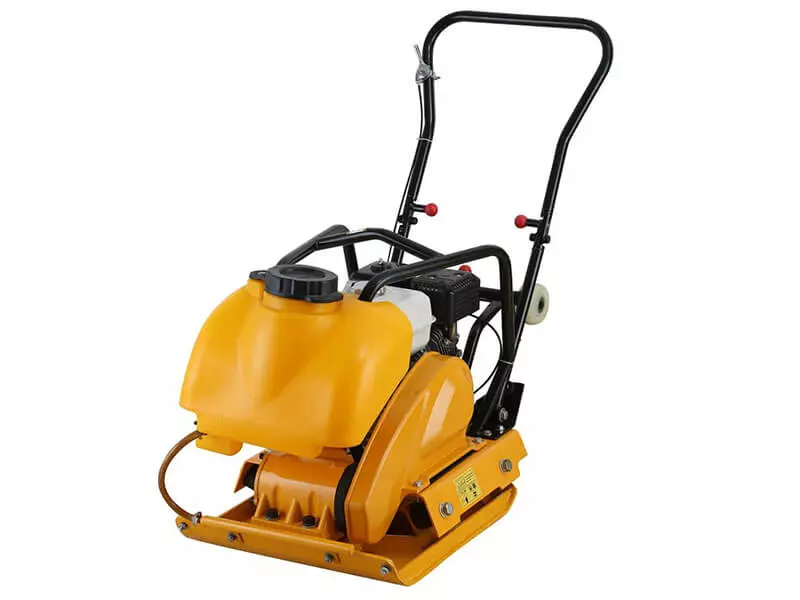
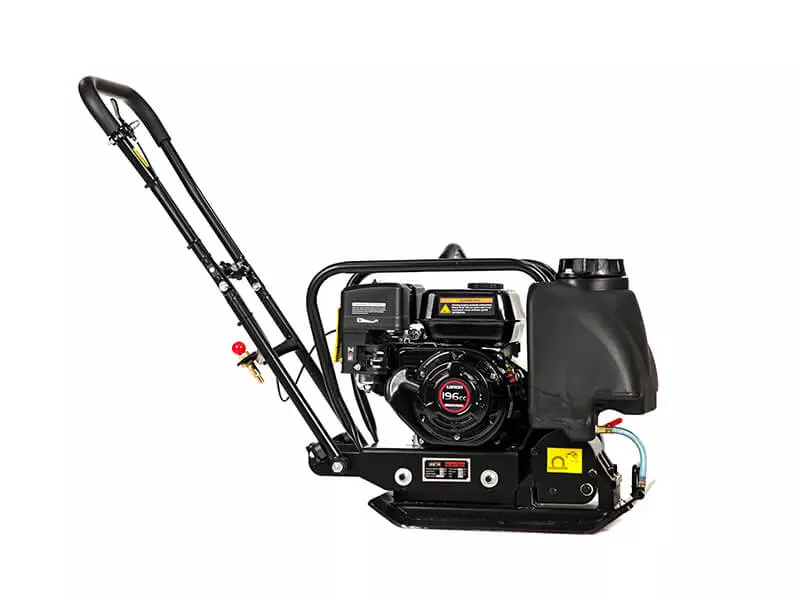
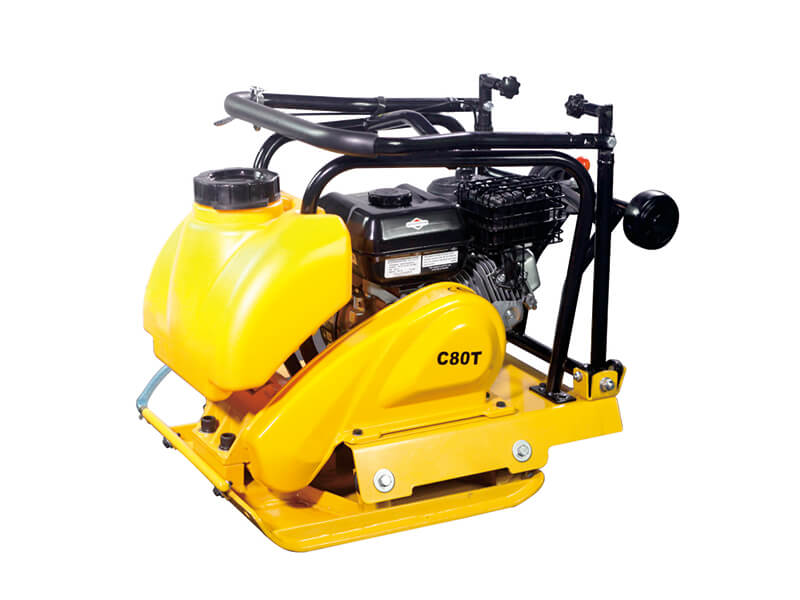
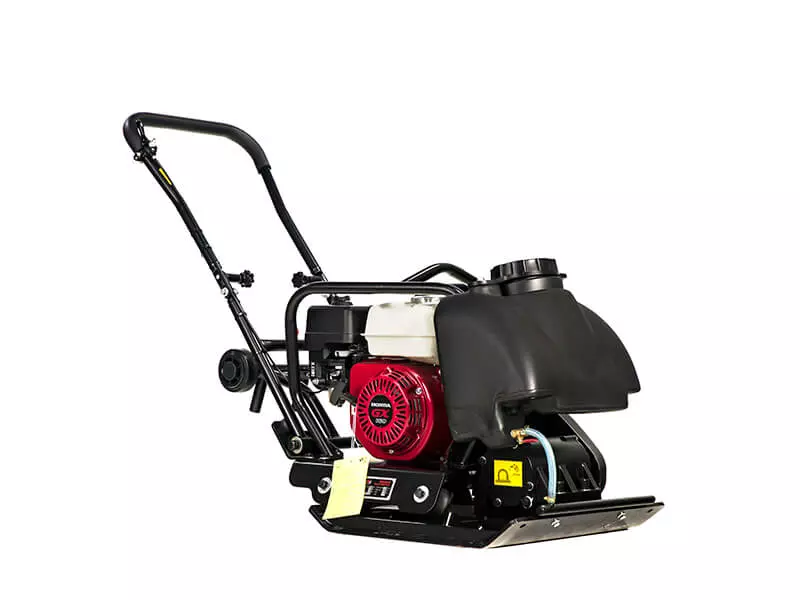
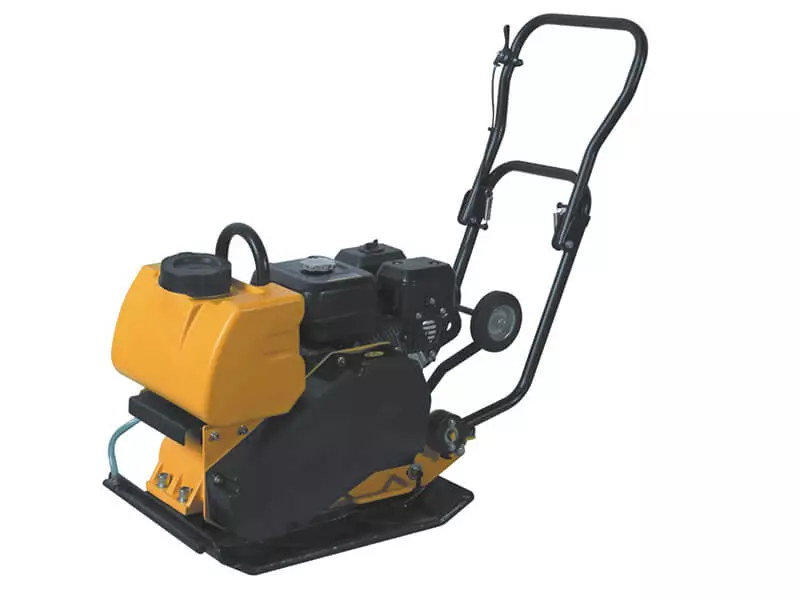
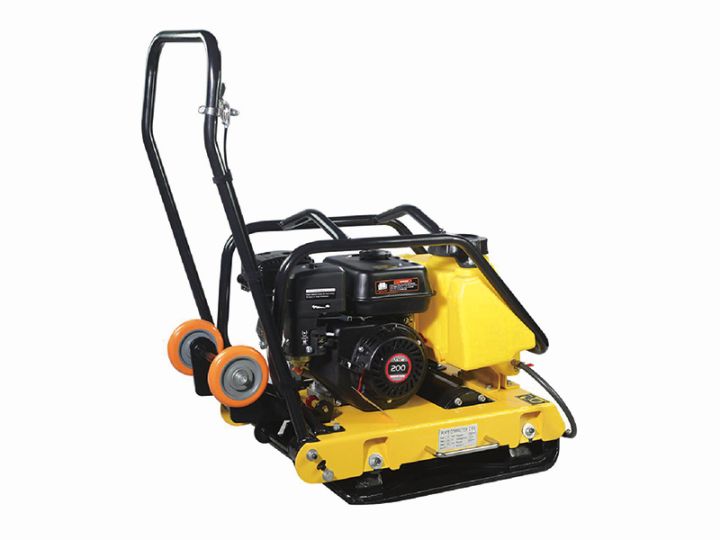
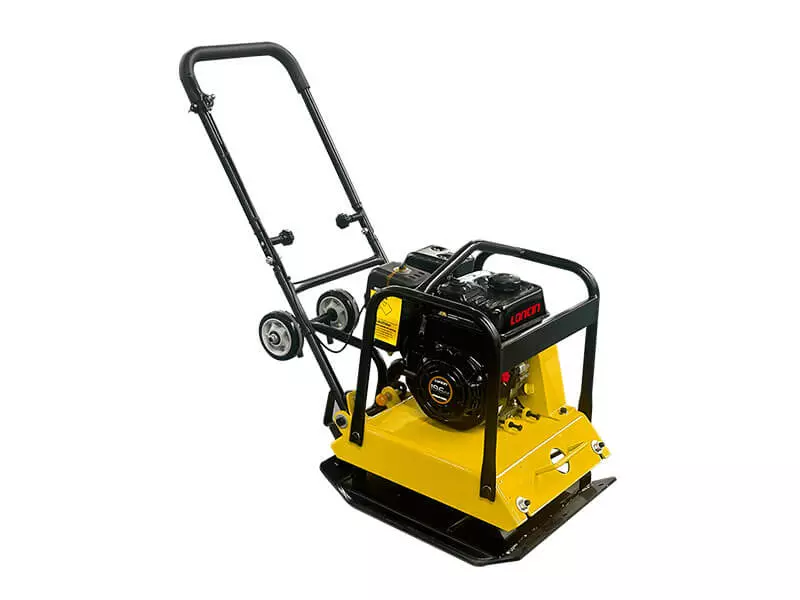
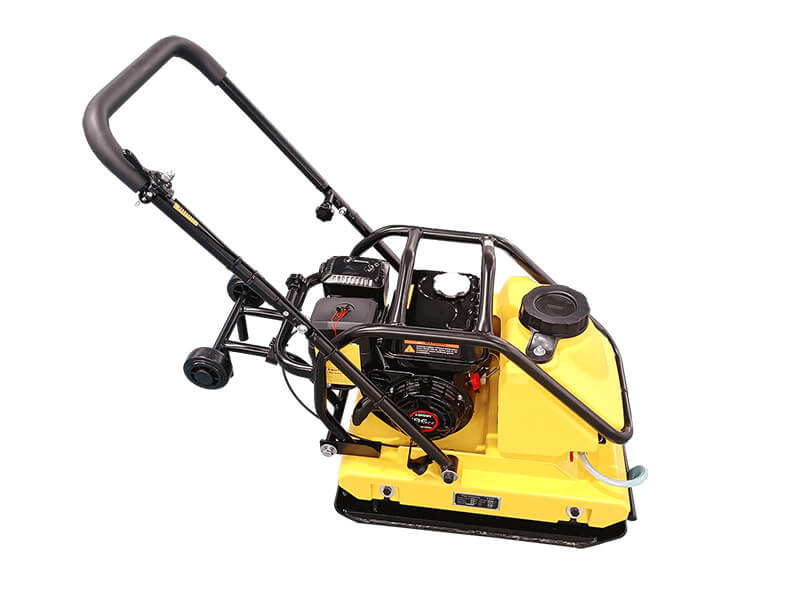
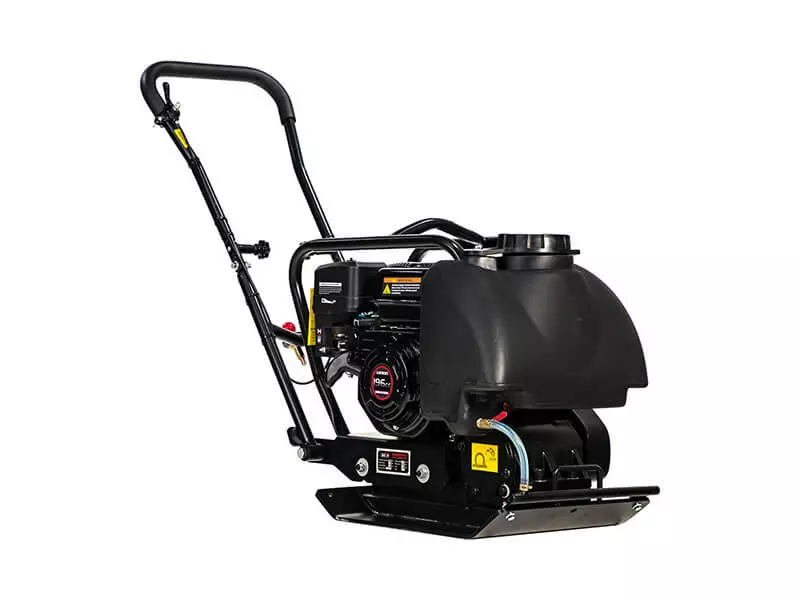
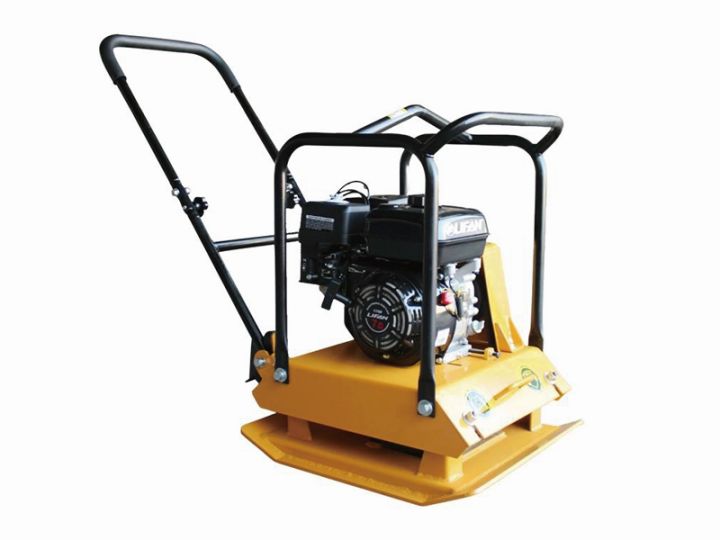
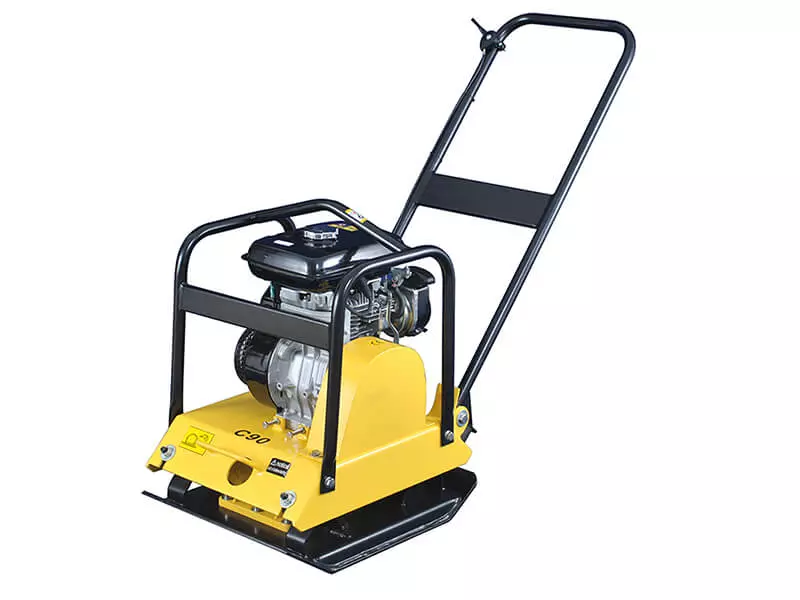
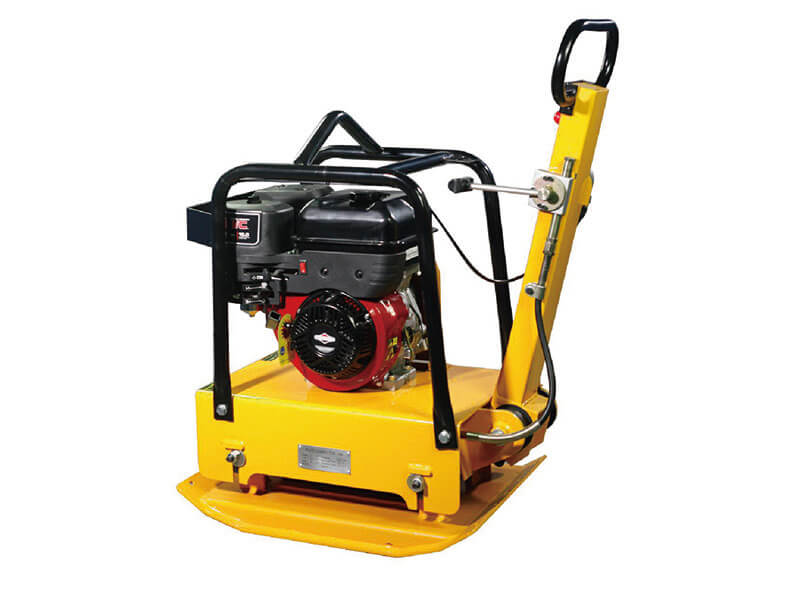
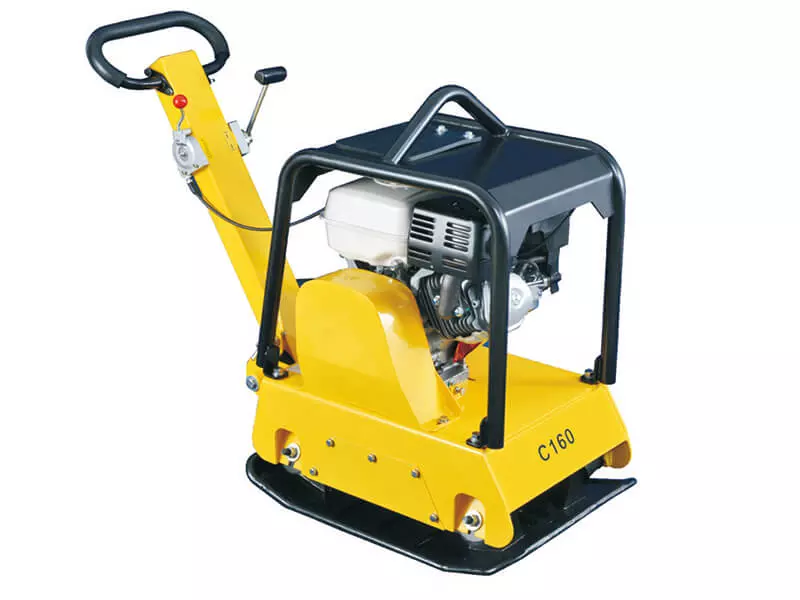
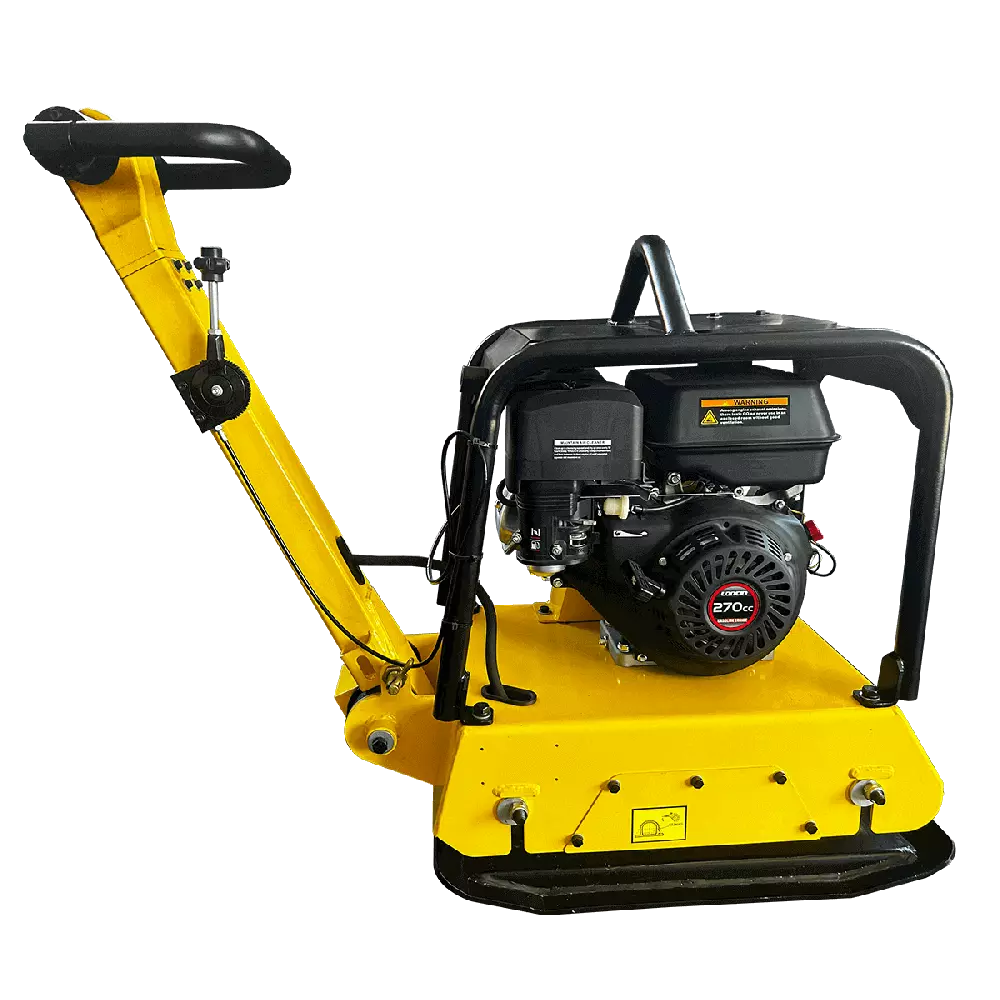
Forza centrifuga di 8-40 kN
Che si tratti di comprimere il terreno per una maggiore stabilità nei progetti di costruzione, o di effettuare lavori di pavimentazione e manutenzione, le piastre vibranti sono la soluzione ideale per le vostre esigenze.
BISON, produttore globale specializzato in compattatori a piastra.
contattare BISON| Modello | BS-C50L | BS-C60H/R | BS-C60TH/TR | BS-C65TH/TR | BS-C75H/R | BS-C80H/R | BS-C80TH/TR | BS-C85TH/TR | BS-C95TH/TR | BS-C140H/R |
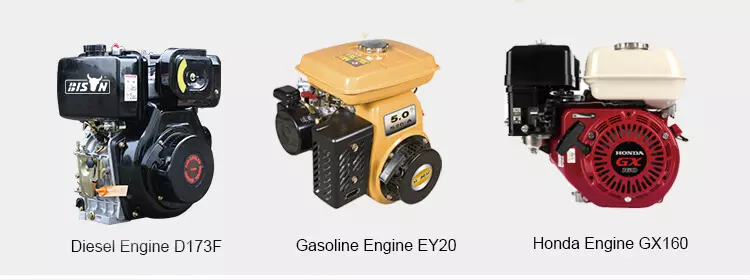
| Tipo di motore | Motore a benzina Lonción 154F | Benzina, Honda GX160 Benzina, Robin EY20 |
Benzina, Honda GX160 Benzina, Robin EY20 |
Benzina, Honda GX160 Benzina, Robin EY20 |
Benzina, Honda GX160 Benzina, Robin EY20 |
Benzina, Honda GX160 Benzina, Robin EY20 |
Benzina, Honda GX160 Benzina, Robin EY20 |
Benzina, Honda GX160 Benzina, Robin EY20 |
Benzina, Honda GX160 Benzina, Robin EY20 |
Benzina, Honda GX270 Benzina, Robin EY28 |
| Potenza in CV (KW) | 3(2.2) | 5,5(4,0) 5,0(3,7) |
5,5(4,0) 5,0(3,7) |
5,5(4,0) 5,0(3,7) |
5,5(4,0) 5,0(3,7) |
5,5(4,0) 5,0(3,7) |
5,5(4,0) 5,0(3,7) |
5,5(4,0) 5,0(3,7) |
5,5(4,0) 5,0(3,7) |
9.0(6.6) 7.5(5.5) |
| Peso Kg | 52 | 65 | 70 | 70 | 65 | 85 | 85 | 82 | 95 | 120 |
| Forza centrifuga KN | 8.5 | 12 | 12 | 13 | 13 | 14 | 14 | 15 | 18 | 18 |
| Frequenza di vibrazione VPM | 5210 | 4900 | 4900 | 4900 | 5500 | 4930 | 4930 | 4930 | 4750 | 5150 |
| Velocità massima di percorrenza m/min | 15 | 20 | 20 | 20 | 21 | 21 | 21 | 20 | 20 | 20 |
| Dimensioni della piastra LXW CM | 43×30 | 51X37 | 51 X 37 | 53X37 | 52X37 | 52X50 | 52X50 | 62X42 | 62X45 | 68X46 |
| Modello | BS-C90H/R | BS-C100H/R | BS-C120H/R | BS-C125H/R | BS-C160SH/SR | BS-C3020H/R | BS-C3050H/R | BS-C3080D/H | BS-C330BD/H |
| Tipo di motore | Benzina Honda GX160 Benzina Robin EY20 |
Benzina Honda GX160 Benzina Robin EY20 |
Benzina Honda GX160 Benzina Robin EY20 |
Benzina Honda GX160 Benzina Robin EY20 |
Benzina Honda GX160 Benzina Robin EY20 |
Benzina Honda GX160 Benzina Robin EY20 |
Benzina Honda GX270 Benzina Robin EY28 |
Diesel 186FA(E) Benzina Honda GX390 |
Diesel 186FA(E) Benzina Honda GX390 |
| Potenza in CV (KW) | 5,5(4,0) 5,0(3,7) |
5,5(4,0) 5,0(3,7) |
5,5(4,0) 5,0(3,7) |
5,5(4,0) 5,0(3,7) |
5,5(4,0) 5,0(3,7) |
5,5(4,0) 5,0(3,7) |
9.0(6.6) 7.5(5.5) |
10(7.3) 13(9.5) |
10(7.3) 13(9.5) |
| Peso Kg | 90 | 90 | 98 | 130 | 145 | 135 | 170 | 250/230 | 320/300 |
| Forza centrifuga KN | 16 | 16 | 18 | 22 | 25 | 25 | 30 | 38 | 40 |
| Frequenza di vibrazione VPM | 4750 | 5480 | 5010 | 4600 | 4600 | 4050 | 4500 | 4810 | 4810 |
| Velocità massima di percorrenza m/min | 20 | 20 | 20 | 20 | 20 | 20 | 20 | 16 | 15 |
| Dimensioni del piatto L*W CM | 54X45 | 58X44 | 61X45 | 66X38 | 66X40 | 64X40 | 68X50 | 83X48 | 87X64 |
La vostra soddisfazione è il nostro eterno obiettivo, la più grande felicità.

"La nostra piastra vibrante preferita è la BISON, la migliore per lavori di edilizia leggera e media. Questo grazie alla sofisticatezza industriale e alle eccellenti prestazioni della piastra vibrante prodotta da BISON. Offre livelli di compressione di prim'ordine con velocità di compattazione che superano la maggior parte dei concorrenti in questa fascia di prezzo, raggiungendo fino a 5.500 VPM."

- Pedro Ramirez
Manager
"BISON produce diversi compattatori a pianale di alta qualità. Il prezzo del modello C60 di fascia media è molto competitivo, ma le prestazioni non sono inferiori a quelle dei suoi concorrenti più costosi. La perfetta combinazione di praticità e prestazioni non solo offre prodotti durevoli per i professionisti del settore, ma consolida anche un'ottima reputazione sul mercato."

- Shivjeet Chauhan
Amministratore delegato
"La piastra vibrante BISON è uno strumento robusto e versatile che offre prestazioni affidabili e un ottimo rapporto qualità-prezzo. Dotata di maniglie pieghevoli e ruote di trasporto integrate, consente di risparmiare spazio e ridurre i costi di logistica e stoccaggio. La serie Forward è ideale per le piccole imprese e offre un eccellente rapporto qualità-prezzo."

- Giau Trong Nguyen
Manager
Indossare protezioni per le orecchie e occhiali di sicurezza durante l'utilizzo della piastra vibrante. Si raccomandano inoltre guanti e robusti stivali da lavoro. In ambito commerciale, sono spesso richiesti stivali antinfortunistici con puntale in acciaio e caschi di sicurezza.
Se si utilizza una piastra vibrante in un'area pubblica (ad esempio, per un progetto di parcheggio), è fondamentale informarsi sulle normative locali relative ai livelli di rumore e ad altri fattori ambientali.
"Certo. Puoi utilizzare questa piastra vibrante per qualsiasi tipo di costruzione, beneficiando della sua base robusta. È sicuramente adatta per terreni completamente asciutti. Nel caso in cui volessi utilizzarla su terreno umido, BISON consiglia di mescolarvi della ghiaia fine per favorire la compattazione."
Come per qualsiasi attrezzatura, una manutenzione regolare è fondamentale per mantenerla in condizioni ottimali. La frequenza della manutenzione dipende dal tipo di tamburo e dal suo utilizzo. Ad esempio, una macchina utilizzata solo una o due volte a settimana potrebbe non richiedere la stessa manutenzione di una macchina utilizzata quotidianamente.
Gli elementi che richiedono maggiore manutenzione sono le cinghie e i cuscinetti. Questi componenti devono essere sostituiti ogni 1-2 anni, a seconda dell'utilizzo. Le cinghie devono essere ispezionate per verificare la presenza di crepe e usura prima di ogni utilizzo e sostituite immediatamente in caso di segni di rottura o usura. Anche i cuscinetti devono essere controllati per verificare l'assenza di perdite o di rotazione eccessiva prima di ogni utilizzo. In caso di problemi con questi componenti, potrebbe essere necessario sostituirli prima di riutilizzare la piastra vibrante per evitare ulteriori danni alla macchina.
Sì, è possibile inumidire la ghiaia prima della compattazione. Tuttavia, se l'estate è molto secca, non ha senso bagnarla eccessivamente. Se avete un impianto di irrigazione in giardino o sul prato, azionatelo per circa 15 minuti per inumidire a sufficienza l'aria.
Non è necessario, ma se il materiale è molto asciutto, spruzzate un po' d'acqua per aiutare a trattenere la polvere. Non serve immergerlo completamente perché l'acqua non si comprime come la sabbia per cemento o la polvere di pietra.
Assolutamente. Sono particolarmente efficaci sui cosiddetti terreni granulari, che contengono piccole pietre, ghiaia o sabbia. In questi tipi di terreno, sono presenti pochissimi aggregati stabili che possono essere compattati. Un compattatore a pianale è perfetto per questo scopo. La pressione esercitata dal rullo sul pianale aumenterà il grado di compattazione e, di conseguenza, la capacità portante del terreno.
La cosa più importante per la base è che sia piana e liscia. Questo favorirà il drenaggio, elemento essenziale per una superficie stabile e durevole.
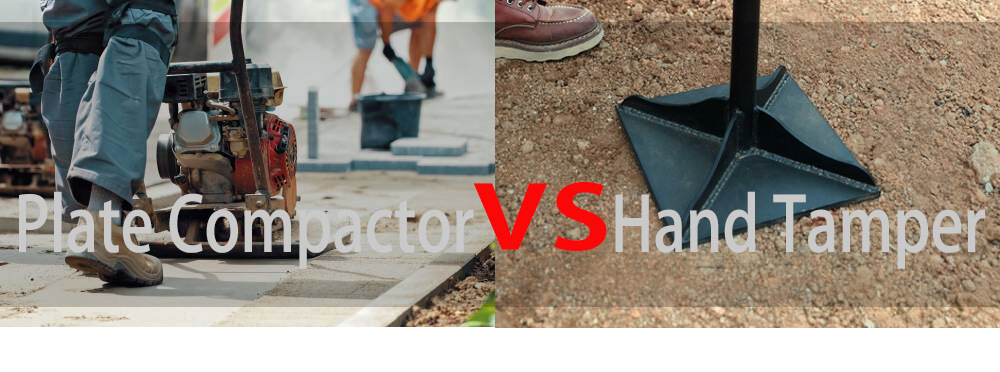
È possibile utilizzare un rullo da giardino o un compattatore manuale, ma sarà difficile ottenere lo stesso livello di compattazione che si otterrebbe con una buona piastra vibrante. L'aspetto più importante di una piastra vibrante è la pressione esercitata sulle tavole. Questa si può ottenere regolando il numero di tavole e il peso di ciascuna tavola.
Il metodo più comune per misurare la qualità della compattazione è l'utilizzo di un osmometro. Questo strumento misura la durezza del terreno inserendo un'asta al suo interno. Se l'asta entra facilmente, il terreno non è compattato. Se non entra affatto, il terreno è eccessivamente compattato; se affonda per più di 7,5 cm (3 pollici) nel terreno, si è vicini alla sovracompattazione.
Il tipo di piastra vibrante da utilizzare per la lavorazione del prato dipende dalle dimensioni del prato stesso. Se il prato è piccolo, è possibile utilizzare una piastra vibrante più piccola con una profondità di compattazione di 60 mm o 80 mm.
Per la manutenzione del prato, molto probabilmente avrete bisogno di una piastra vibrante BSION C60 da 60 kg o di una BISON C80 da 80 kg. Entrambe le piastre vibranti offrono profondità di compattazione adeguate e sono facili da trasportare, il che le rende ideali per l'utilizzo in ambienti industriali.
Se si utilizza un BSION C60, assicurarsi di impostare la pressione minima richiesta, poiché potrebbe essere troppo bassa per alcuni tipi di terreno se non impostata correttamente.
Per un vialetto di casa, è possibile utilizzare il BISON C80 da 80 kg. Per applicazioni professionali, il BISON C100 da 100 kg è la scelta migliore in quanto offre una maggiore versatilità.
Il peso dei rulli è importante perché determina la profondità massima raggiungibile. La compattazione è il processo di compattazione del terreno per renderlo più denso, il che contribuisce a ridurre la perdita d'acqua e ad aumentarne la resistenza strutturale.
In questo caso, le vostre esigenze dipenderanno dalle dimensioni della base di appoggio della casa e dalla profondità di compattazione richiesta. Consigliamo un compattatore da 160 kg.
BISON C60 è una piastra vibrante compatta e potente, ideale per piccoli progetti di giardinaggio. Ha una portata massima di 60 kg ed è adatta alla maggior parte delle applicazioni.
Il tipo di terreno influisce sulla scelta della piastra vibrante più adatta. È necessario valutare il contenuto di umidità del terreno e la profondità di compattazione richiesta. Il nostro personale sarà lieto di aiutarvi a scegliere il rullo compattatore più adatto alle vostre esigenze.
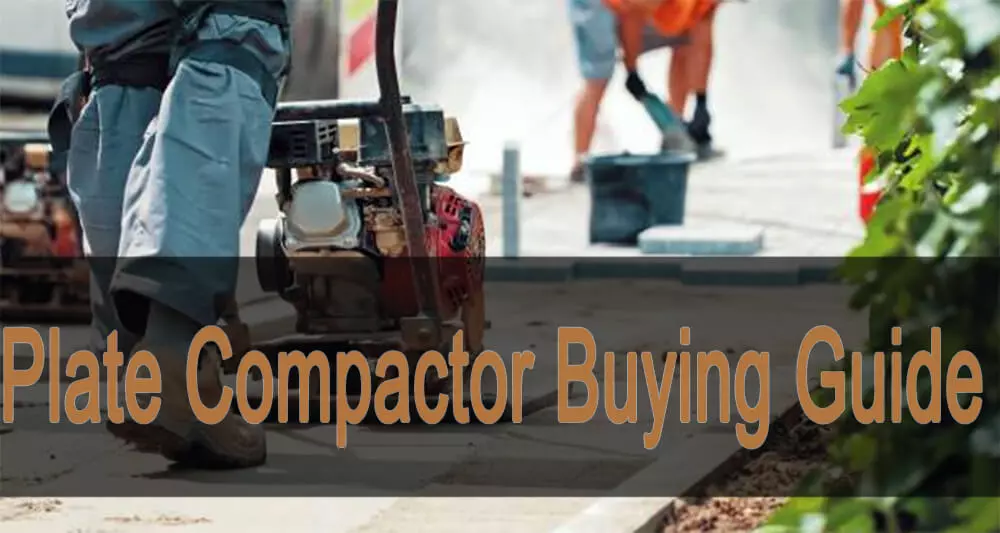
Che si tratti di comprimere il terreno per una maggiore stabilità nei progetti di costruzione, o di effettuare lavori di pavimentazione e manutenzione, le piastre vibranti sono la soluzione ideale. Prima di iniziare la ricerca della piastra vibrante perfetta, è importante comprenderne le funzioni di base, le tipologie e il funzionamento. Nel frattempo, consultate la nostra guida all'acquisto dettagliata per scoprire i vari fattori da considerare e prendere la decisione migliore.
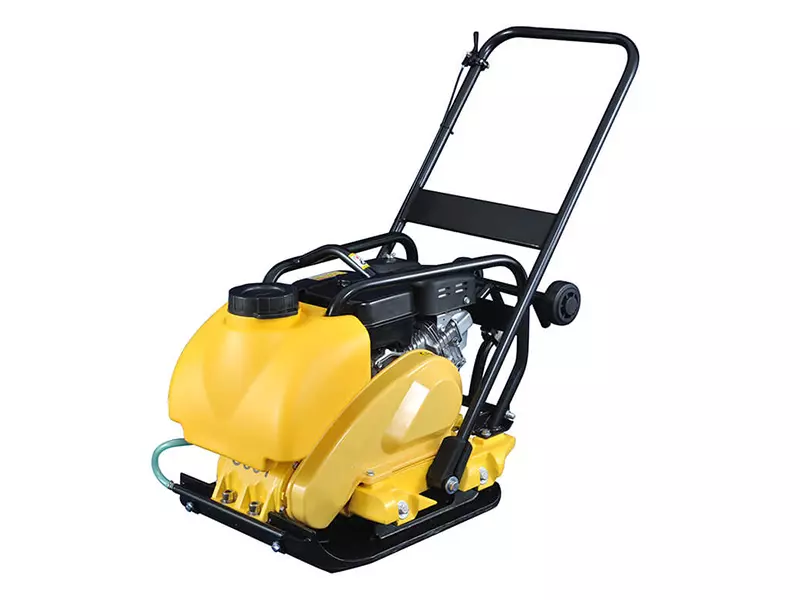
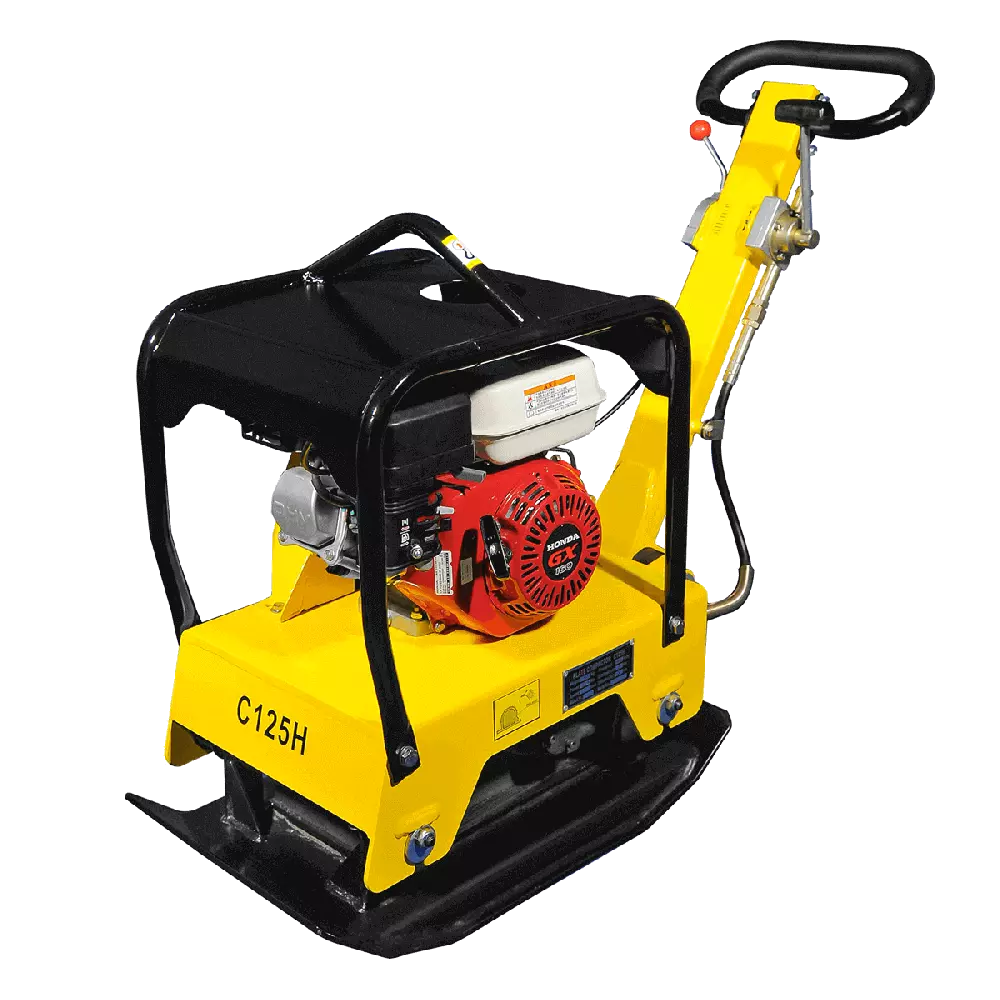
La piastra vibrante o compattatrice per terreno è un dispositivo motorizzato dotato di una piastra di compattazione liscia e resistente, fissata a un meccanismo vibrante. Azionate da un motore, queste unità vengono utilizzate per compattare materiale di riempimento, strati di aggregati pronti per la bituminosatura, asfalto e calcestruzzo finiti e pietre da pavimentazione.
L'utilizzo di una piastra vibrante offre numerosi vantaggi significativi, tra cui:
Stabilità migliorata : una corretta compattazione riduce al minimo il rischio di cedimenti o spostamenti futuri, prevenendo così crepe e superfici irregolari.
Maggiore durabilità : compattando le superfici, se ne aumenta la resistenza e si riduce la suscettibilità ai danni, prolungando così la durata del progetto edilizio.
Maggiore capacità di carico : il terreno compattato aumenta la capacità portante, fondamentale per aree soggette a carichi pesanti come vialetti e strade.
Efficienza in termini di tempo e manodopera : le piastre vibranti automatizzano il processo di compattazione, rendendolo più rapido e meno dispendioso in termini di manodopera rispetto ai metodi manuali.
Vantaggi finanziari : una corretta compattazione riduce al minimo la necessità di costose riparazioni e manutenzioni a lungo termine, prevenendo possibili problemi strutturali.
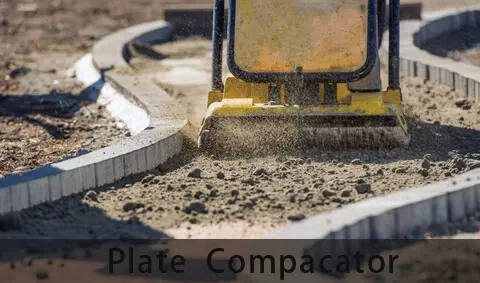
Whether it is a gardener or a construction site worker, if they want to build or maintain a new field or garden, the plate compactor can easily compact the soil or ground in any area. Why compact the soil? Through the compaction process, the loose soil can be transformed into a uniform, stable and void-free form, and the characteristics of the soil can be improved accordingly. It plays an important role in the construction of roads, canals, water conservancy, ground, railways, tunnels and open-pit mines. Also in structural, residential and industrial engineering, the correct implementation of compaction can form a durable and stable structure.
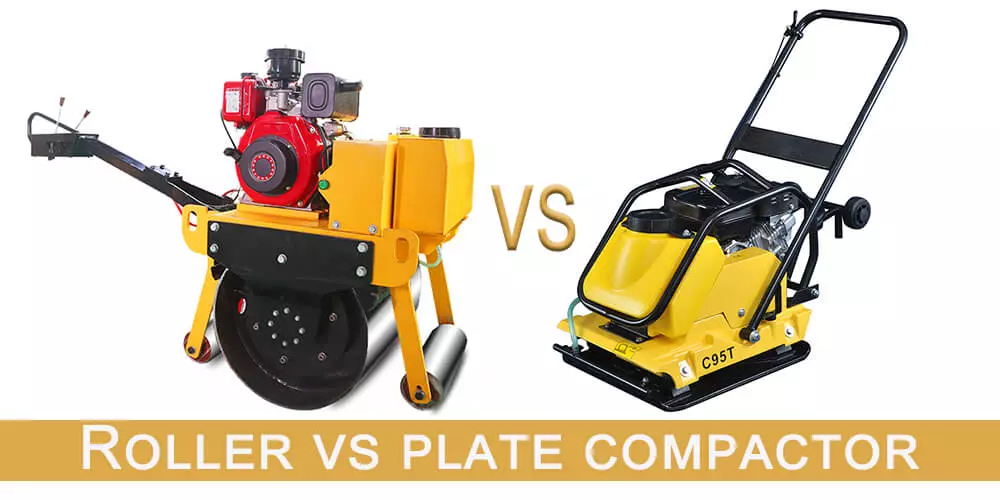
Using a roller on very large surfaces, in cramped or awkward spaces is not useful. It is in the situations that plate compactor comes into play, as it is compact and maneuverable.
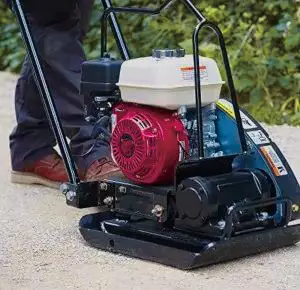
The plate compactor uses a large plate (usually made of steel) to apply force on the ground to compact the soil. The plate vibrates rapidly, which encourages the dirt and gravel to move closer and eliminates air.
The design and operation of the machine is simple: its main feature is a thick steel bar with curved edges. The board is interchangeable and can be coated with rubber, polyurethane or a variety of other materials depending on the nature of the surface you are working on.
A vibrating mechanism connected to an electric or gasoline-powered motor makes up the rest of the machine. The device is steered and controlled via a handlebar on an articulated stand. Provides an emergency stop in the event of an accident.
Now that you understand how these machines work, let's take a look at what type of plate compactor you should be looking for to accommodate projects large and small.
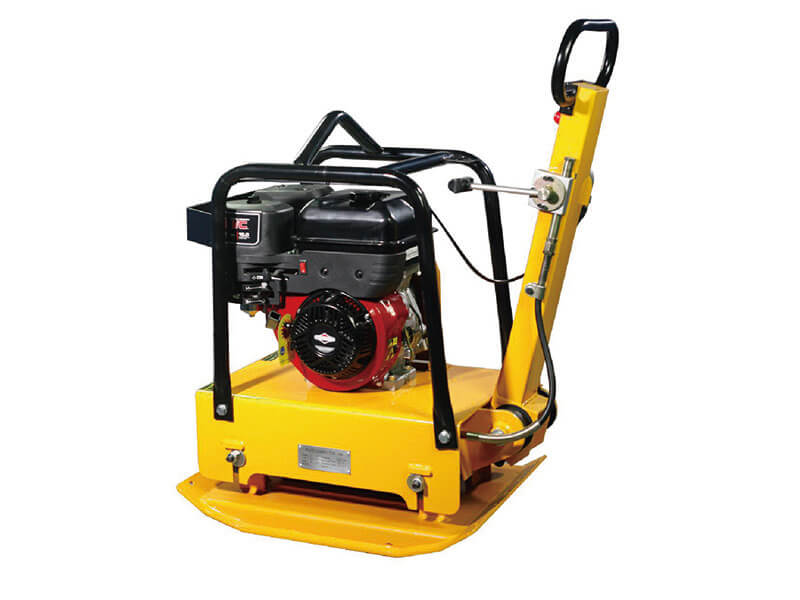
When wholesale gasoline plate compactor, there are three main types of plate compactors: (1) forward vibrating plate compactors / single plate compactor (2) reversible vibrating plate compactors (3) high performance vibrating plate compactors. The one you choose depends on the size and type of work you want to do.
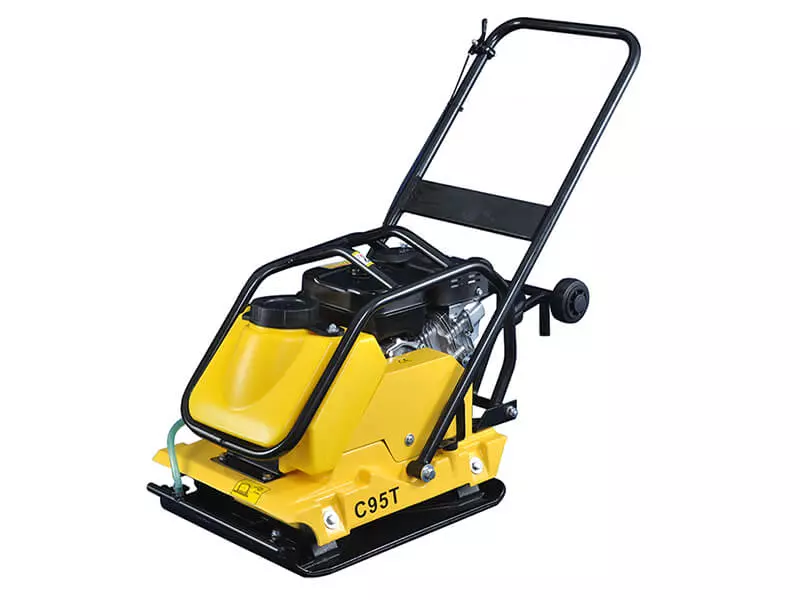
Forward plate compactor is also named vibration plate compactor, this is the most common plate compactor. only moves forward and cannot move backward, so the maneuverability is limited. It is mainly used to compact granular soils such as sand gravel, or asphalt in a small area.
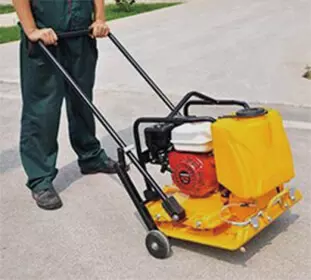
Reversible plate compactor moves forward and reverse, making it easier to cover large areas. They are usually more powerful than vibrating plate compactors, it is suitable for medium-sized projects such as driveways, parking lots, and landscaping.
High-performance vibratory plate compactor are heavy-duty compactors, these compactors apply the most force. Typically used for deeper depth or subbase compaction operations. And they can compact soil containing clay. (However, the jumping jack compactor may be more effective.)
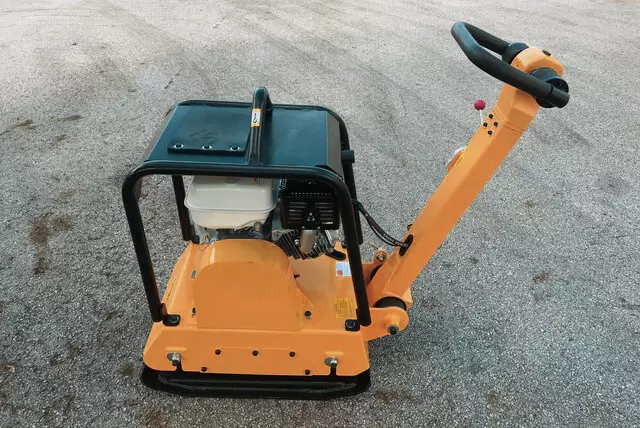
If you want to perform medium-duty jobs without requiring too much power, then go with forward compactor. Reversible and high-performance vibratory plate compactors are a better choice when looking for heavy-duty commercial pieces.
Fuel source: BISON vibratory plate compactors are most often powered by diesel or gasoline engine, but there are some electric options available. Consider which fuels are readily available.
honda plate compactor, robin plate compactor...
BISON is a plate compactor factory in China, and we provide a variety of plate compactors. Each type has its own unique features and benefits, and you need to know what to look for when choosing a model that suits your user's needs. So here are some factors to consider before investing in asphalt plate compactor. Let’s take a closer look at the factors to consider when importing plate compactor.
Key criteria:
Compaction force in kN (kilonewtons)
Maximum speed in m/min
Vibration force m/s²
Compaction depth cm
Noise level in decibels (dB)
Maximum tilt angle (for sloping ground)
Engine power
Engine power is a key component of plate, properly compressing the material on the job site, making it more compact. Most of these compactors are pneumatic, where their small engine power is measured in horsepower (HP). Models with higher HP will provide users with better performance.
Engine capacity
Engine capacity is often seen as a measure of slab compactor performance, and BISON plate compactors with a larger engine capacity of 100 CC provide better performance than models with a 60 CC gasoline engine. Larger capacity gasoline engines result in high fuel consumption, reducing the range of plate compactor. Therefore, you need to choose plate compactor that strikes a balance between fuel efficiency and performance.
Centrifugal force refers to the amount of force that a plate compactor can exert. Generally speaking, the higher the centrifugal force, the higher the efficiency of plate compactor. However, choosing the most efficient option to access only high power is not a good thing. Unless you're doing heavy lifting, models that typically weigh 3000 - 4000 lbs are fine.
The eccentric frequency represents the number of times the compactor hits the surface in one minute. It is in VPM. The lower eccentricity frequency is best for compacting clayey soils. For granular and bituminous materials, a compactor with a higher vpm is recommended. If you plan to handle many different types of soil, look for a model with adjustable frequency.
plate material
Plate compactors consist of cast iron or steel plates. Both materials are equally good, and the steel plate tends to be lighter, which makes the equipment easier to handle. But iron provides more durability, compaction and sturdiness.
plate size/plate width
Different plate sizes are available for different plate compactors, where larger plates will allow the user to cover a wide area at once. Available plate sizes for these compactors range from 15" to 25". The small board is ideal for tight spaces and smaller tasks, while the large plate is suitable for more demanding tasks, where it must cover a wide area to get it done quickly and efficiently. The wider the plate, the more ground you can cover, but it is also harder to manipulate.
plate shape
The shape of the plate affects the degree of compaction. Look for a curved board, as it makes turning easier and prevents gouging. How to tell if the board is bent? Check the plate from center to edge; it should bend slightly upwards.
BISON plate compactor is made of high-strength steel, and the edge of the bottom plate is curved to ensure the stability of the work.
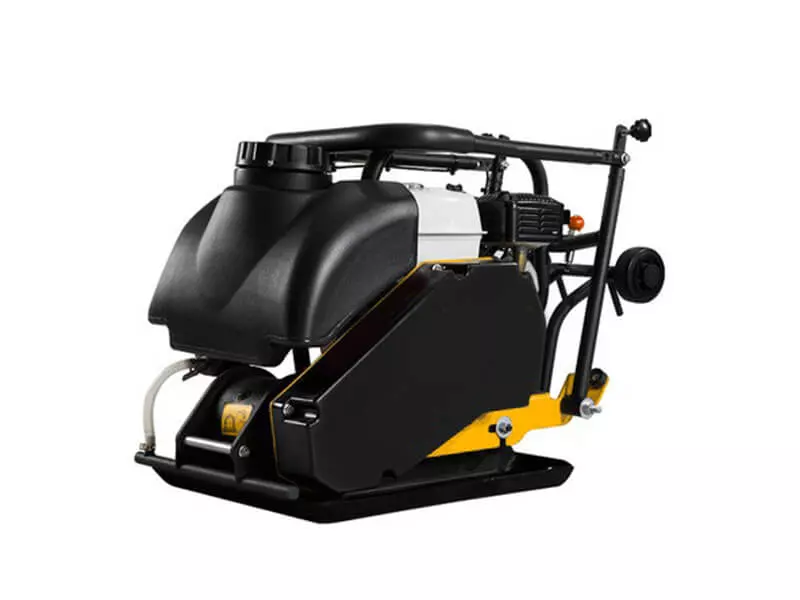
Flat compactors can vibrate, which can be uncomfortable for the operator. Choose a handle with an anti-vibration handle to reduce the burden of operating it. BISON's uniquely designed folding handle saves storage space. The humanized shock-proof pad design greatly reduces the vibration of the handle and increases the comfort of operation.
At wholesale it is also important to know how much fuel plate compactor will consume while running, compared to performance and time. Therefore, choosing a model with low fuel consumption can help users save a lot of fuel costs.
Water tank : Many plate compactors can be equipped with a water tank. The tank will create a barrier between the hot asphalt and the cold compacted slab. A slab compactor without any water tank can get the slab stuck on hot asphalt. If you need to work on asphalt, choose a vibratory plate compactor from BISON that can be equipped with a water tank.
Optional integrated moving wheels make machine easier to transport.
Can be equipped with urethane rubber gasket for paving.
Some vibratory plate compactors are large and heavy that require a lot of effort to move. Look for plate compactor s with handles and/or lifting eyes for easy transport. While other machines will include folding wheels. Before purchasing, please consider how to transport the device.
Choose a plate compactor made with high-quality materials that can withstand constant use and harsh conditions. The ease of regular maintenance is also critical to life of plate compactor.
Brands with a good reputation for reliability and positive customer reviews can often offer better support and product longevity. For example, BISON plate compactors.
Plate compactor doesn't have to be difficult to use, but a few tips will help ensure safety and help produce the desired results.
First, learn how plate compactor operates and how to quickly stop it if necessary.
Wear ear protection, safety glasses or goggles, gloves and sturdy boots when using.
Hold firmly when starting the machine. If feasible, start on a level surface to prevent it from drifting. Try a small test area to get used to the handling.
Start at a corner and go straight up and down. Then go back to the starting point and work back and forth in an area that is 90 degrees from the original direction.
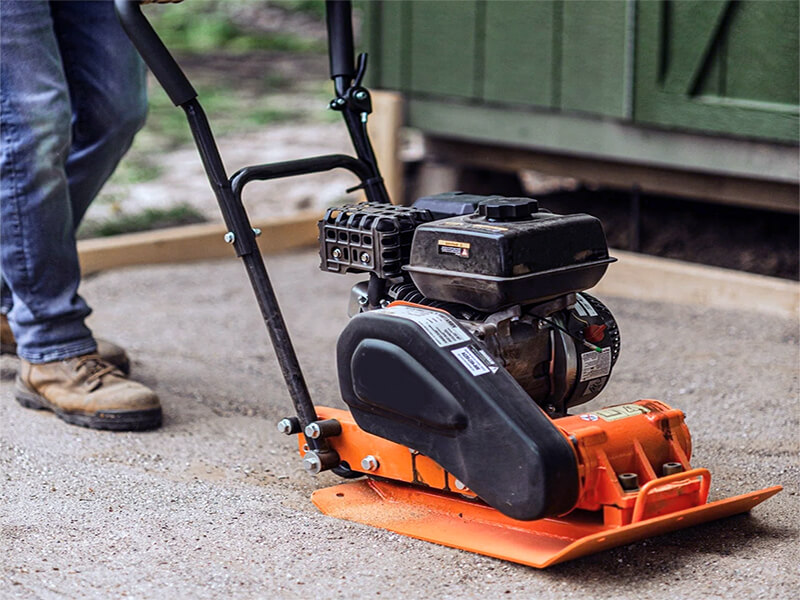
Constant vibration, harder and more yielding surface materials, dusty environments, rain, muddy conditions... plate compactors can be subject to some extreme wear and tear. Therefore, it is best to regularly check the condition of the bottom of plate compactor and clean it after each use.
Air filters on petrol models can easily clog and should be replaced as soon as they are found.
Plate compactors with gasoline engines actually require all kinds of extra maintenance (spark plugs, proper oil, etc.).
The general condition of the machine should be checked before each use (check for loose bolts, etc.).
As you can see, there are many factors to consider with plate compactor. Finding the best plate compactor suppliers doesn't happen overnight.
BISON can help you easily complete the import of plate compactors!
If you're interested in learning more about best BISON plate compactor, or just have some questions, be sure to contact our team. In addition to providing information on plate rammers, we also provide information on floor saw and jumping jack rammers.
table of contents